

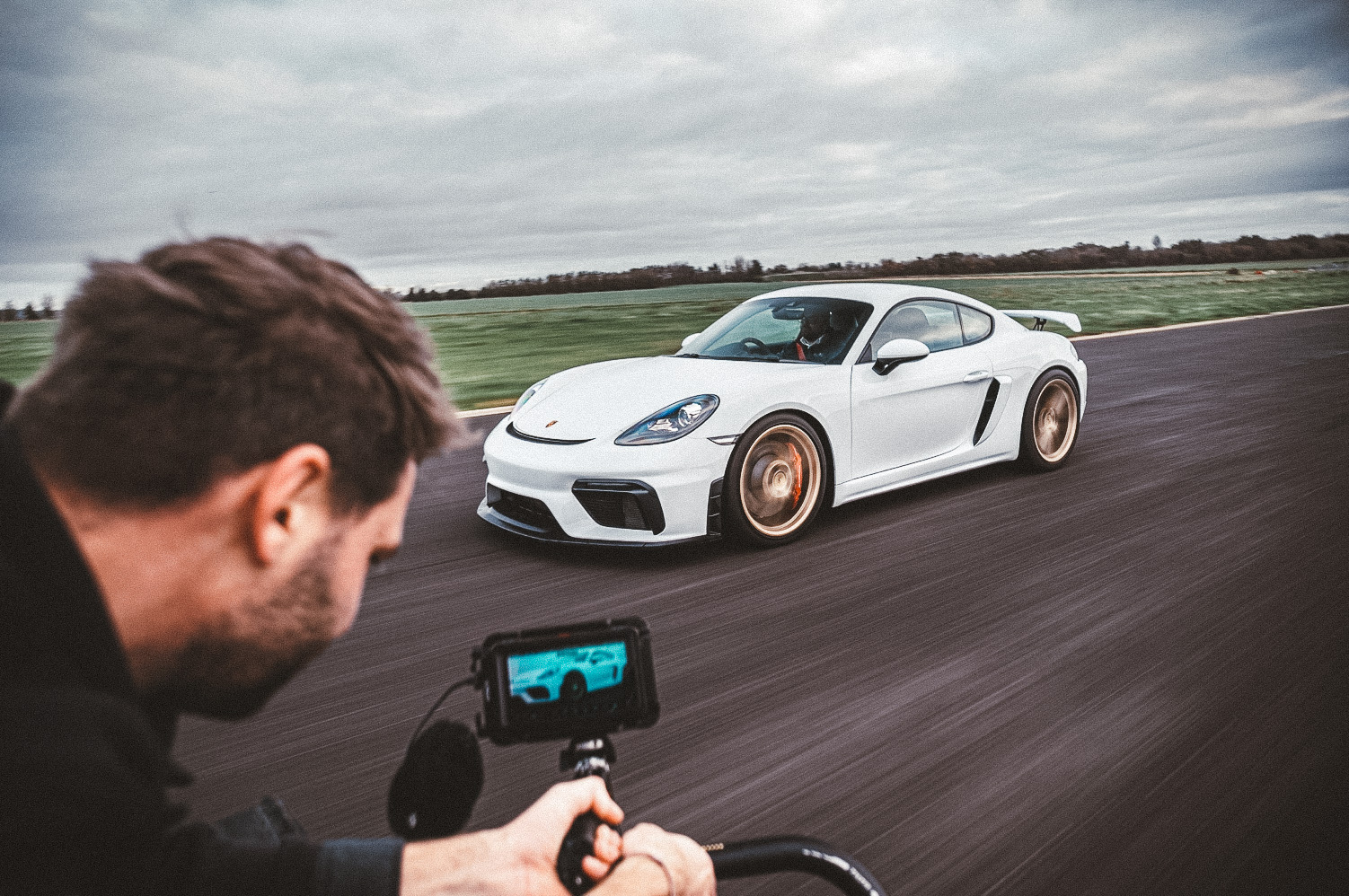
In today’s digital world, we are continually flooded with content. We’re addicted to it, but we’re tired of it, which means that – as a business – you have just seconds to ensure your video is going to hold viewers’ attention long enough to make an impact. Visual quality plays a bigger role than you might realise in nailing that much-needed first impression. You need a hook, and you need high-quality, story-driven films. This is where cinematic video marketing stands apart.
Cinematic video creates trust, plays on emotion and builds credibility. It signals professionalism, quality and purpose. When done well, it positions a brand as confident, premium and worth paying attention to – which is exactly why it’s worth investing in.
Why Visual Quality Shapes Trust and Brand Value
People judge brands quickly. Before reading copy or comparing prices, audiences respond – almost instinctively – to how a brand looks and feels. That’s why the best brands don’t create adverts, they produce films. Instead of pushing products, they craft stories that feel closer to cinema than conventional marketing. Studies consistently show that people associate higher production quality with higher quality products and services.
Red Bull
Take Red Bull, for example, a brand that thinks like a film studio first and a marketing department second. Rather than relying on traditional adverts, Red Bull produces full-scale cinematic content centred around extreme sports, adventure, and human achievement.
From high-altitude skydives to death-defying mountain bike descents, Red Bull’s films are shot with the kind of production values normally reserved for Hollywood. Sweeping drone footage, dramatic soundtracks, slow-motion sequences, and documentary-style storytelling place the viewer directly inside the action.
What makes Red Bull’s approach so powerful is that the product is rarely the focus. The real stars are the athletes and the feats they accomplish. By aligning itself with awe-inspiring stories and real-world drama, Red Bull has built a brand identity that feels thrilling, aspirational, and larger than life. Their cinematic marketing works because it doesn’t feel like marketing at all. It feels like entertainment – and audiences willingly engage with it on that basis.
Gymshark
Gymshark is another great example of a company that has grown from a small start-up to a global fitness brand largely through its understanding of modern visual storytelling. While many sportswear brands focus purely on product shots, Gymshark leans into cinematic narratives that reflect the mindset and lifestyle of its audience.
Rather than glossy, overly polished advertising, Gymshark’s cinematic content often follows real athletes, influencers, and everyday gym-goers. High-contrast lighting, dynamic camera movements, moody sound design, and carefully crafted montages create an intense, motivational atmosphere.
Their campaigns feel less like adverts and more like mini documentaries or short motivational films. Viewers aren’t told to buy workout clothing – they are invited into stories about discipline, transformation, and personal progress. The result? By using cinematic techniques to portray struggle, dedication, and success, the brand positions itself as part of an individual’s wider journey rather than just a retailer. The result is marketing that inspires as much as it sells.
Guinness
Few brands in the world have embraced cinematic advertising as successfully – or as consistently – as Guinness. For decades, the company has produced commercials that are less about beer and more about storytelling, emotion, and atmosphere.
Iconic campaigns such as their long-running “Made of More” series demonstrate how powerful cinematic marketing can be when executed with confidence. These adverts use rich visual symbolism, carefully crafted narratives, and film-quality production to create emotional depth far beyond a typical product promotion.
Guinness ads often feel like short films with meaningful themes (not dissimilar to Gymshark) of resilience, loyalty, friendship, and perseverance. The drink itself is almost secondary. What stays with the audience is the story, the mood, and the emotional payoff.
By investing in bold concepts and cinematic craftsmanship, Guinness has made its advertising as culturally significant as its product.
What These Brands Teach Us About Cinematic Marketing
Although Red Bull, Gymshark, and Guinness operate in completely different industries, they share a common understanding: people connect with stories, not sales messages.
Their success highlights several key principles of cinematic marketing:
- Focus on narrative and emotion rather than features
- Use high-quality visuals and sound to create atmosphere
- Let the audience feel something before asking them to buy
- Treat campaigns like films, not adverts
Cinematic marketing works because it respects the viewer. Instead of interrupting audiences with hard sells, it draws them in with compelling experiences.
For brands willing to think creatively and invest in storytelling, the reward is powerful: advertising that people actually want to watch.
ROI Benefits of Premium Production
Cinematic video may cost more upfront, but it delivers better long-term value for most brands. It is easy to focus on production cost alone, but perhaps a better question is: What is the cost of being overlooked?
Cinematic video supports long-term brand building. It reduces the need to constantly explain value because the perception is already established. Seen this way, cinematic video is not an expense; it’s an investment.
Key ROI benefits include:
- Longer content lifespan
- Higher engagement rates
- Stronger brand recall
- Reusable assets across channels
When Cinematic Video Delivers the Biggest Impact
Not every video needs to be cinematic. The biggest impact comes when:
- Brand perception is critical
- You are entering a competitive market
- You want to reposition or elevate your brand
- Trust is essential to conversion
For these moments, cinematic video marketing offers clarity, confidence and emotional weight.
Your Story Matters, It Deserves To Be Told Cinematically
Cinematic video marketing works because it speaks the language of trust, emotion and quality. It helps brands look established and, more importantly, feel human. It’s not about sales, it’s about connecting deeply with their audience.
In a crowded digital space, perception shapes reality. The brands that invest in how they look and feel are the ones people remember.
If you’d like help shaping your brand story through cinematic video, now is the perfect time to explore what premium storytelling could do for your business. To see how we translate these principles of cinematic video marketing into our work at Sharp Films, check out our portfolio here.
FAQs
What is cinematic video marketing?
Cinematic video marketing uses high-quality visuals, storytelling and production techniques to enhance brand perception and emotional connection.
Is cinematic video only for big brands?
No. Small and medium businesses can benefit greatly, especially when positioning themselves as premium or trustworthy.
How long should a cinematic brand video be?
Most cinematic brand videos perform best between 60 seconds and 4 minutes, depending on platform and purpose.
Does cinematic video improve website conversions?
Yes. Cinematic hero videos often increase time on site, engagement and trust, which can support higher conversion rates.
Is cinematic video marketing worth the cost?
When used strategically, it delivers strong long-term brand value and outperforms lower-quality content over time.